Saturday, June 4, 2016

Easy Ways to Be More Productive at Work


How is your working day most of the times, is it smooth sailing or does it tend to be quite long, really tough and suffused with repetitive tasks throughout the working hours. People who seem to be leaning more towards the latter category quite likely have fallen into the bad and eminently avoidable habit of rolling out of their beds and heading right into the office.

More Satisfying Outcome

More Satisfying OutcomeThe best part is as the day progresses and unfolds one would find plenty of good opportunities to fine tune the entire process for a much more satisfying outcome. If you want to have some sense of control on your workday then you need to pay attention to effective time management, this would help you schedule your work better and result in an improved output.

Making Real Progress
Many a times a whole lot of people tend to procrastinate as they
Making Real Progress
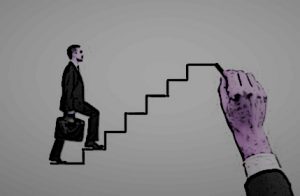
cannot figure out their next course of action as clearly as possible. When you can actually arrive at the determination of what you need to be doing next, you are able to say to yourself, wait a minute, I could do that thing better and really fast, than you are making real progress.

The Nuances
Such people certainly need to pause and spare a valuable moment, wherein they need to consider and appreciate the nuances of their daily routine. Add to this the all important dimension of productivity, well you need to work smarter, much more than working as hard as you probably can.

Action Level

Action Level 
You could always improve on your search skills to surf the web for information, or leaving a message on the voicemail, things like these can be accomplished fairly quickly say within two minutes. The trick is to break everything down to the next level where action is happening. And then at the first instance, when you manage a window of time, take a glance at the actions, pick the one that fits within the available time frame.

 Little Windows of Time 

Little Windows of Time


One would be amazed that a lot of things can be accomplished in less than two minutes. The two minute rule comes in handy in completing many a tasks, if you pause for contemplation and planning, lot many valuable two minutes would be spent organizing and reviewing it. It makes sense to clear things out, get them done if they can be done under two minutes, purging mails, clearing spam, whenever you happen to come across strange or weird little windows of time, do make best use of them.

Relook and Rethink
Whenever you have more to accomplish, it makes sense to file the same for larger chunks of time, where you can easily focus on such activities. This is indeed a wonderful approach to getting things done, of getting rid of small things, instead of parking them somewhere, having the need to relook and rethink and spend more time on it then necessary.

Be Like Teflon
One must be like Teflon and train oneself to make snap executive decisions. The best thing about the two minute approach is that it can prevent the hours slipping away from you. It is a good idea to delegate larger tasks or add it to the list of later tasks.

Eat the Frog
Make a note of your deadlines at the start of the day, schedule them realistically, try and get the difficult tasks out of the way at the first possible instance. All the while keep an eye on the clock, and move forward when the self imposed deadline is reached.

Work Smarter
work smarter 
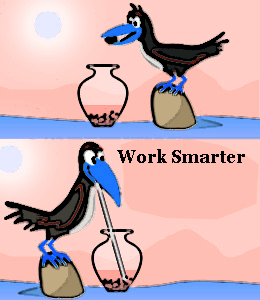
Productivity is never about cramming in way too much into your day. It is all about making the choices that enable you to use your time to work smarter. Just by making a few changes to your daily routine you would be able to achieve your goals.

The Commute Time
Use the commute time for all important self development, relaxation as well as building fitness by walking, running or cycling to work whenever possible instead of using a car or public transport. You must be mindful during your commute to relax and gain focus.

Stay Focused

Stay Focused 


Make good use of the time before lunch when you are most alert and your concentration levels are really high. It is always good to plan things ahead before executing them. You can only get things done by staying focused on tasks at hand.

The Morning Routine
It helps to wake up earlier and establish a morning routine that tells your brain to warm up as it needs to get working, incorporate a fair amount of exercise, and even ten minutes of writing to warm up your brain is quite helpful, maybe maintain a dairy.

Final Words
Always follow the 2 minute rule, which is really simple, if it takes less than 2 minutes do it, if more, than schedule or delegate. Refrain from multitasking, make it a point to finish one job at a time. Avoid having heavy lunches, and finish off the easier tasks when your energy levels are lower.
A good night’s sleep is a must to stay productive. Working on these tips is surely going to improve your performance, making small and incremental changes to the way you work can surely make a huge difference to your output. In order to be happy and productive one must guard and nurture the energy levels at all times more than anything else.

How to Recover from Job Search Burnout

You might be a seasoned professional in your own right, irrespective of this fact, you too had your share of rough career patches and frustrating job search experiences. At times the process can get tedious, disenchanting and quite a long drawn affair.

1. Beyond Your Control
Beyond Your Control
You might be annoyed and disappointed at the whole thing. Oftentimes the reasons could be completely beyond your control, the job search itself might take a wee bit longer than you expect.

2. Concerted Job Hunting
It would result in a poor show at interviews, and sooner than later you would find yourself in a cycle of dejection and rejection. It makes eminent sense to take the time for rest, and to recharge your batteries, by restoring and replenishing the vital energy that would prepare you afresh for another round of concerted job hunting.

3. Continued Career Progression All of this might culminate in a feeling that the process of burnout has set in. Finding a new job Continued Career Progressionposition, a new role is critical to your financial health and continued career progression as well. You can’t let the feeling of being burnt out by the job search stop you as forward movement is crucial for you at this point in time.

4. Mental Energy
As with many other job seekers the job search is literally draining you, not just while you are sitting Mental Energyon your computer and actively seeking as well as applying for jobs. The whole thing is constantly weighing down on your mind and sapping up your mental energy, resulting in fatigue.

5. Occasional Vacations
The same drain still happens when you are employed, however you cope with it by taking occasional vacations. It could be a week or two off to a tropical paradise or a new country, even a drive to the beach.
A Full Time Job
A Full Time JobAt times the job search in itself turns out to be a full time job, it may take you longer than expected. There might come a time when it is only logical that you should go for a brief vacation.

6. Work Wonders
And this does not require a whole lot of money either, you may go visit friends, near to the place you live or those in nearby towns, taking a few day trips in a row just in a bid to get out and away from the house would work wonders by providing the much needed digression from the daily routine.

7. Recharge Your Batteries
Recharge Your Batteries
It is quite possible to burn out at work or even when you happen to be in school, and you would be doing yourself a great disservice by not recharging your batteries, or resetting your clock. This would cause your motivation to dwindle over a period of time and your passion is likely to wane away.

Final Words
You may hit the slopes, go to the beach, lounge in front of the TV for sometime. You are only going to thank yourself for the break, when you get back to the grind with renewed gusto. At times when you find old strategies falling flat on the face, you need to start from scratch again and refresh the job search. You may even try some alternatives  to full time employment like freelancing and others. Approach the job search process with a positive mindset and a deep reservoir of energy to emerge  successful through the hiring process.

Wednesday, June 30, 2010

Goals And Planning To Help You Retire Your Job Early & Securely

Based on years of experience in the employment field, and augmented by the inexhaustible sources of information from numerous resources, I offer you a review of RETIREMENT PLANNING that you can consider and compare against whatever retirement efforts you may have already undertaken. In this review, we'll identify the real advantages and details of sound retirement planning elements that many millions of employees and self-employed individuals rely on as a regular part of their workplace experience.
Those elements below will be in the form of questions and queries about your current status relating to the elements. Your answers will reveal how effecient, or not, your retirement planning has evolved. If your answers are lacking, then the questions themselves expose a map to implement a sound retirement strategy to fit your circumstances.
To start, lets consider PRIMARY ACTIONS one should consider for a secure retirement:
1. Create your individual retirement needs list.
2. Begin a step-by-step plan for reaching those retirement goals.
3. Assess your current assets.
4. Begin to build up savings.
5. Find good professional financial advisers
6. Learn about how to make the most of tax strategies
Let's look closer at what the government has to say about it; from the Pentagon Federal Credit Union: "Now more than ever before, Americans are changing employers, indeed careers, several times during their lifetime. To adequately prepare for your future, it is important for you to establish, and manage, your own retirement plan. With the secure days of drawing from a hefty pension plan from one company gone, you may find that you must rely on several sources of income during retirement. These sources may include a company pension, Social Security, investment income, savings, part-time work, the sale of assets, and others. The sooner you begin planning for and contributing to your retirement, the better off you will be. Only you can determine whether your retirement will be spent counting pennies or living life to its fullest."
Now, let's consider some SPECIFIC CONSIDERATIONS that will affect your retirement: For instance, at what age will you retire? Or... how many years do you have for creating retirement savings? The answers to those two questions help to form much of your retirement strategy.
Next, put the results down on paper - actually create a retirement worksheet from which you can refer to as you make your way through the other elements you should consider. There are some free resources that you can access to help you create such a worksheet. For instance, the Pentagon Federal Credit Union web site offer a retirement worksheet. Go to Google search and input the keywork-phrase "Planning your retirement." Resource Center: Planning for Your Retirement is typically the 7th or 8th link on the first page of search results. In that article, there is a link on the first page to the Retirement Planning Worksheet.
Some of the starting points to consider are: Your company's Retirement Plan and what it offers. Often your 401K IRA (usually with company matched contributions) will give you the most for your money. Contribute what you can afford.
Other company choice often include Annuities and Mutual Funds. If you don't have a company plan, or you're maxed on your contributions, you would do well to consider Annuities and Mutual Funds. Annuities feature fixed annual return rate, and are considered by many the most secure investment. Many insurance companies sponsor annuities. Mutual funds feature higher returns, but they are more volatile, therefore more risky. Many investment professionals consider Mutual funds in the same risk category as stocks. A good strategy for minimizing the risk when investing in mutual funds, is to spread any investment across a number of different funds. Both annuities and mutual funds pose some risk to your initial capital investment. You should always bear in mind, that financial risk is inherent in any investment venture.
Another choice is to set up an Individual Retirement Account (IRAs). Traditional IRA accounts are well known. Traditional IRAs are considered Low risk. To begin with, they are federally insured. IRAs also carry significant tax advantages. Another choice is a Roth IRA. Roth IRAs are available to many who do not qualify for Traditional IRA because of participation in a company retirement program or because of income considerations. You may contribute to a Roth IRA until age 70.
As you continue to consider your personal Retirement Plan, remember to assess your financial state. There are a number of factors to be considered in making that assessment. For example, the amount of money you have in your savings; your net worth; what Real estate you may own; your stock portfolio, if you own any stocks; Bonds; Insurance policies; Valued possessions; your combined Income totals.
Don't forget to establish your retirement goals. At what level do you want to live in retirement? Most folks require a 25-30 year budget for you total retirement dollars; but that doesn't fit all needs. Be specific and rational.
Another important step is to determine how you will manage your assets. Investment asset management falls basically into three categories: budgeting and growth and savings.
Budgeting. Your retirement must be as much a priority as food and bills. Financial considerations and decisions must be viewed from the perspective of the potential impact on your retirement.
Growth. With retirement security as a major driving force, active management of assets becomes important. Consider finding a personal financial adviser you trust.
Building Up Your Savings. Savings are the best "hedge" against the future - there's nothing like cold, hard cash. A savings plan is very helpful - For example, budgeting a certain amount from every paycheck to be deposited in your savings, and insuring that the deposits are made on a regular basis. Savings can also be a ready resource for further investing at any time.
Now let's consider: Finding Professional Financial Help. There are thousands of financial firms that cater to individuals. You should research, reliable, well-known firms and interview their people to find one you trust.
And what about creating customized Tax Strategies? Each of the avenues we've discussed has tax advantages and/or liabilities. The laws are many, and can be confusing. Consider an independent class on retirement planning to educate yourself, so you don't have to rely blindly on professionals who live on commissions for their advice.
Creating a Retirement Plan - Creating a Retirement Plan can be a daunting task. It can seriously impact the quality of your life in your golden years. Consider continuing education courses, to stay on top of strategies, trends and legislation that will impact your retirement investments. Such courses are offered through Community Colleges and online organizations (many offering Continuing Education Units).
By addressing the aspects of retirement planning and management reviewed herein, one can determine the value of their current retirement situation, or verify some alternative avenues for retirement that may fit a specific circumstance. Don't neglect your retirement or put it off till later in your career. There are choices available for all levels of income. The information reviewed here could help to start you on a path towards a secure retirement.